Search coffee experiences on GetYourGuide
Experiences
The Journey
Every coffee farm tour walks you through the full lifecycle of Colombian coffee. Here's what each stage looks and feels like.
Coffee begins as a seedling in a shaded nursery. Colombian farmers nurture plants for 8–12 months before transplanting to the mountainside.
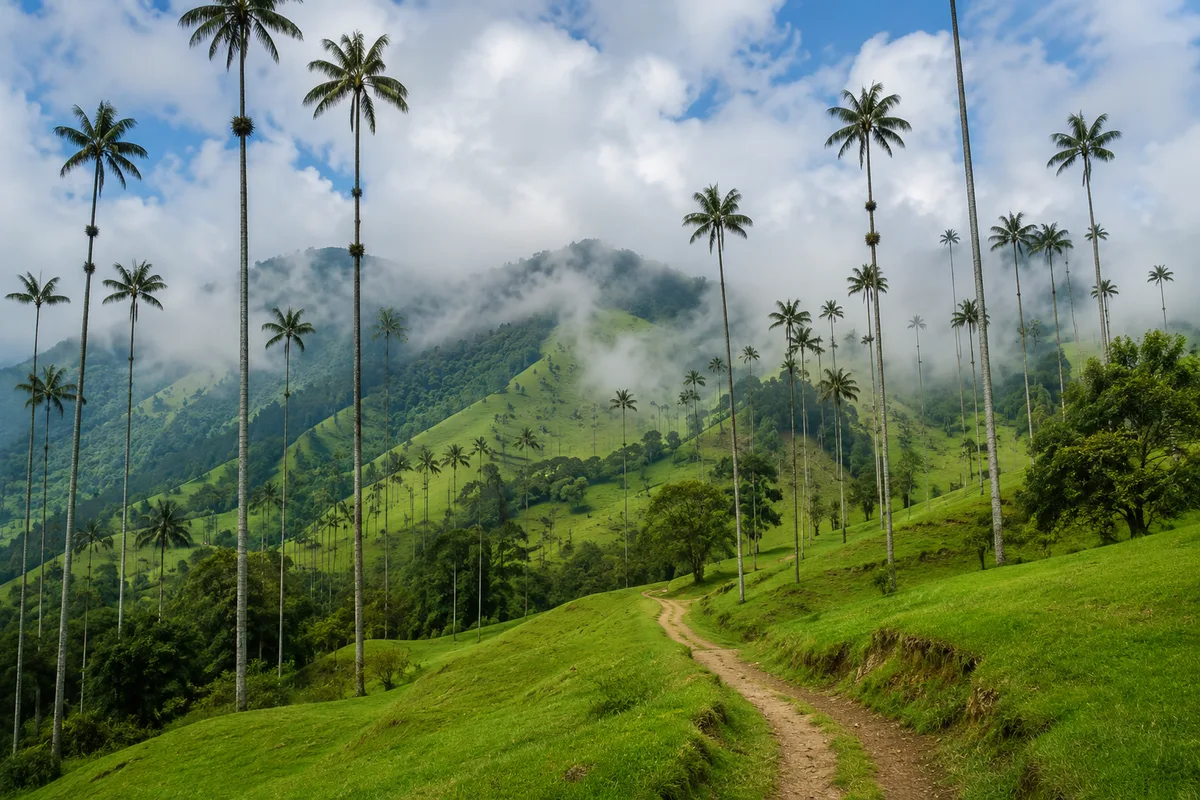
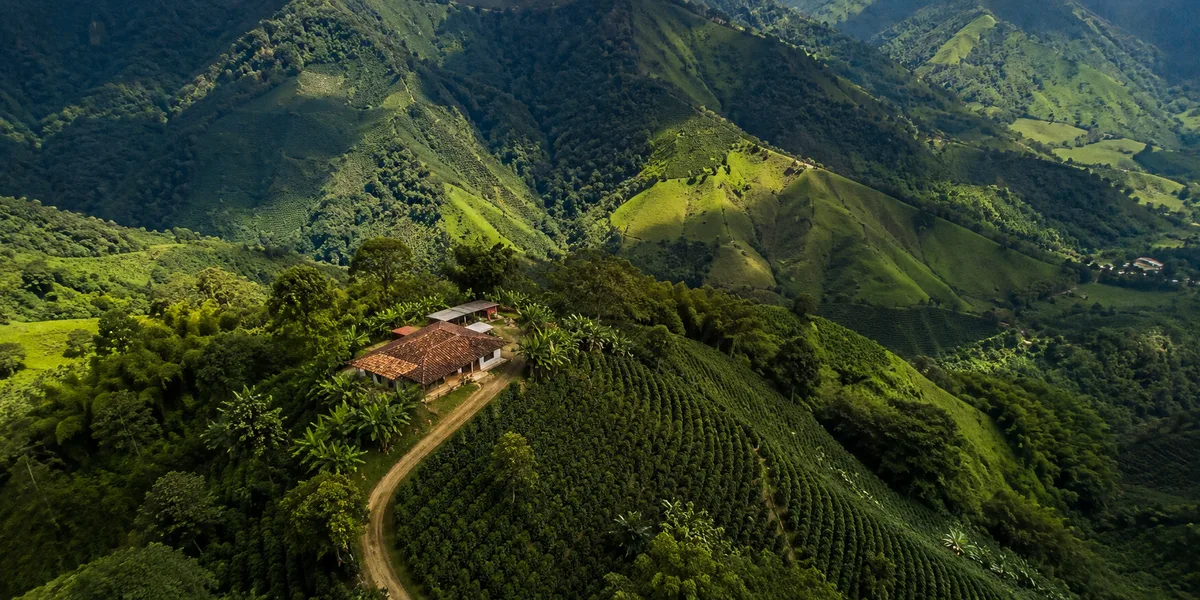
Arabica thrives between 1,200–2,000m elevation in Antioquia's volcanic soil. The combination of altitude, rainfall, and equatorial sun creates Colombia's signature flavor.
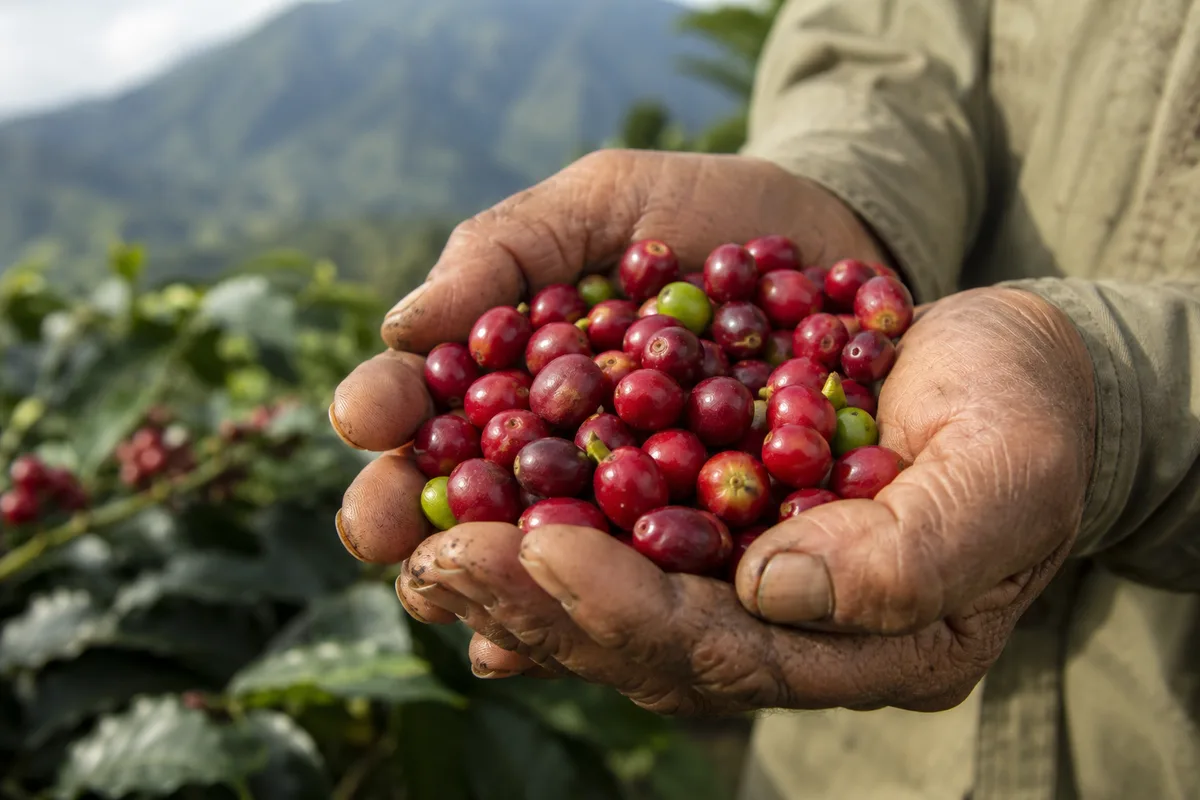
Coffee cherries are hand-picked when perfectly ripe — a deep red. Colombian pickers selectively harvest, returning to each tree multiple times per season.
Cherries are depulped, fermented for 12–36 hours, washed in mountain spring water, then sun-dried on raised beds or concrete patios for 8–15 days.
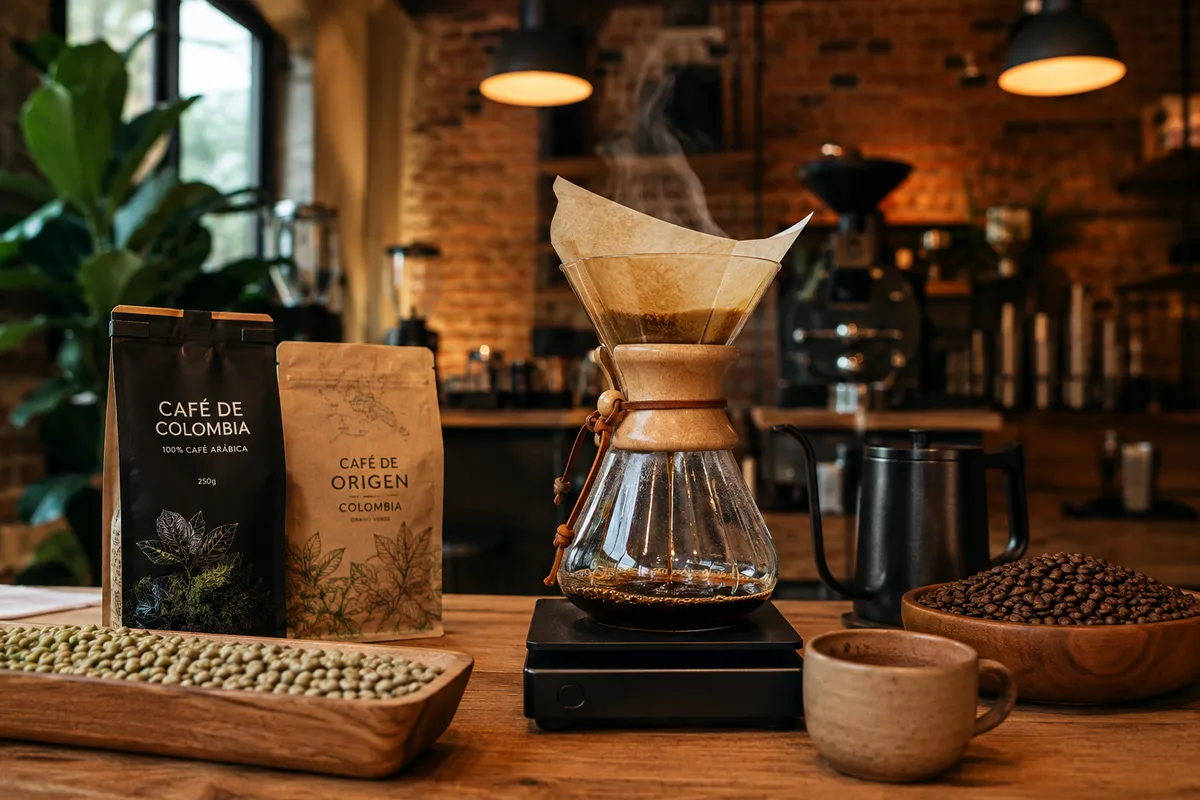
Dried green beans are roasted at 200–230°C. Farm tours let you watch small-batch roasting and smell the Maillard reaction transforming raw beans into aromatic coffee.
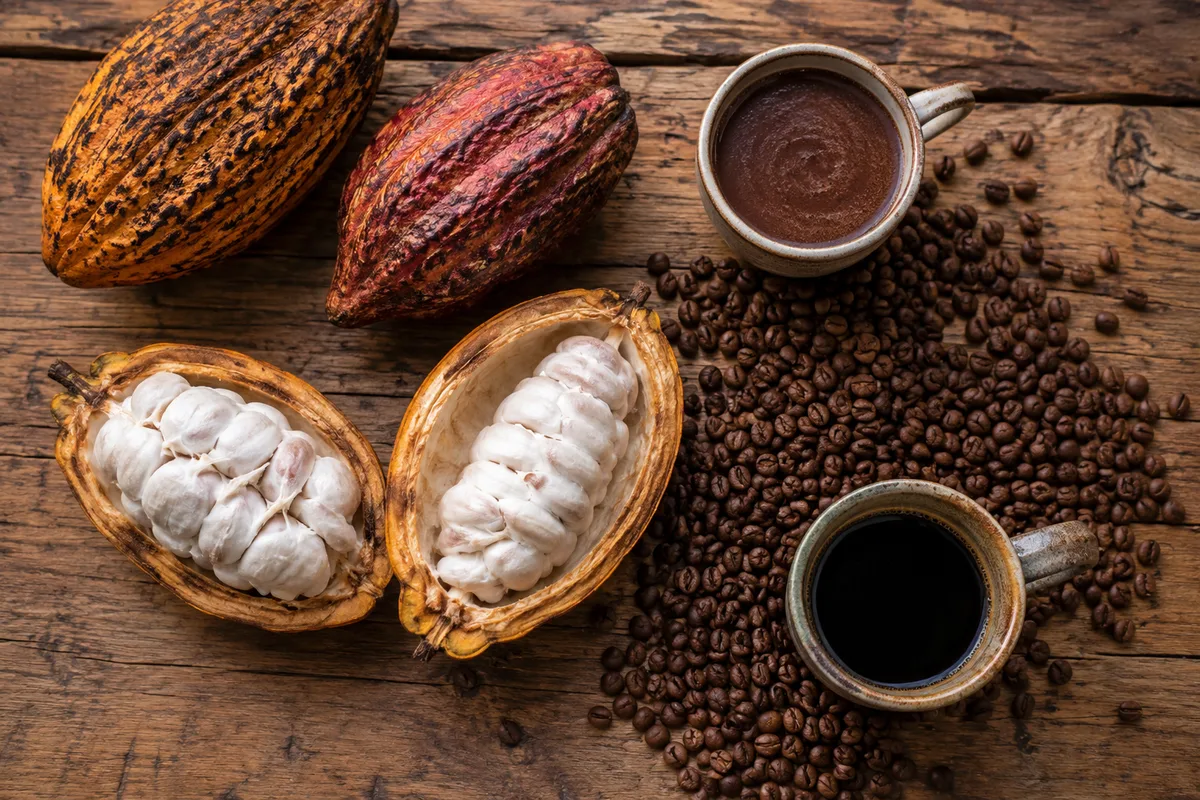
The final reward. A cupping session compares different origins, altitudes, and processing methods. You'll learn to identify tasting notes — citrus, chocolate, berry, caramel.
Where to Go
Before You Go
Closed-toe shoes (trails get muddy), long pants, and sunscreen. Bring a light rain jacket — mountain weather is unpredictable. Leave the white sneakers at the hotel.
Year-round, but harvest season (Oct–Jan & Apr–Jun) lets you pick cherries. Dry seasons (Dec–Mar & Jul–Aug) offer better trail conditions and clearer mountain views.
Tipping isn't mandatory but is appreciated. COP 20,000–30,000 ($5–8 USD) per person for your guide is standard. For exceptional private tours, 10–15% of the tour price is generous.
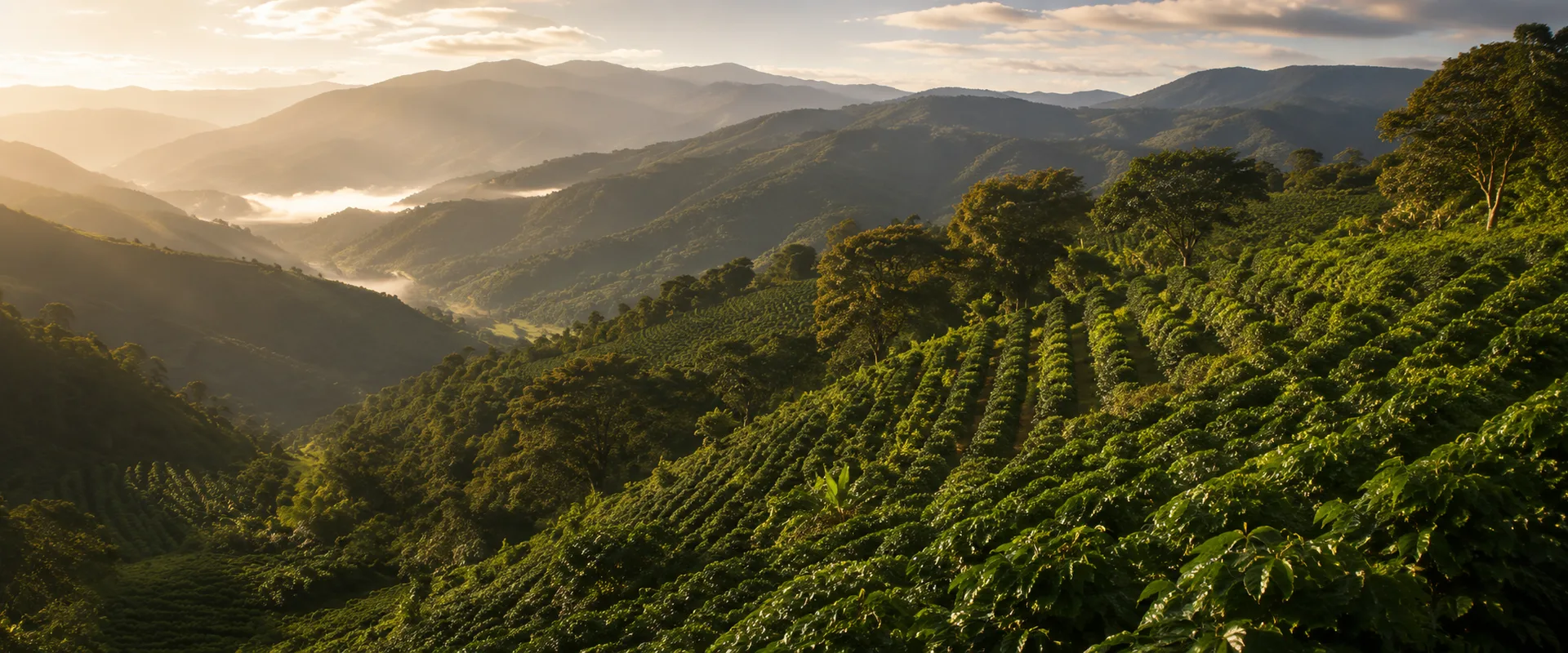
Farms are extremely photogenic. Ask before photographing workers. Drone rules vary by farm — always ask permission first. The best light hits the plantations in the early morning.
All tours booked through GetYourGuide include hotel pickup in El Poblado or Laureles. Going independently? Buses leave from Terminal del Sur to coffee towns like Fredonia (COP 15,000, ~2 hrs).
Most farms sell freshly roasted beans (250g bags from COP 15,000–35,000). Buy direct from the farmer — better beans at better prices, and the money stays in the community.
FAQ
Coffee farm tours from Medellín range from $28 for group half-day trips to $89 for private full-day experiences. This typically includes round-trip transport from your hotel, a guided farm walk, coffee tasting session, and a snack or lunch. Urban barista classes start around $35.
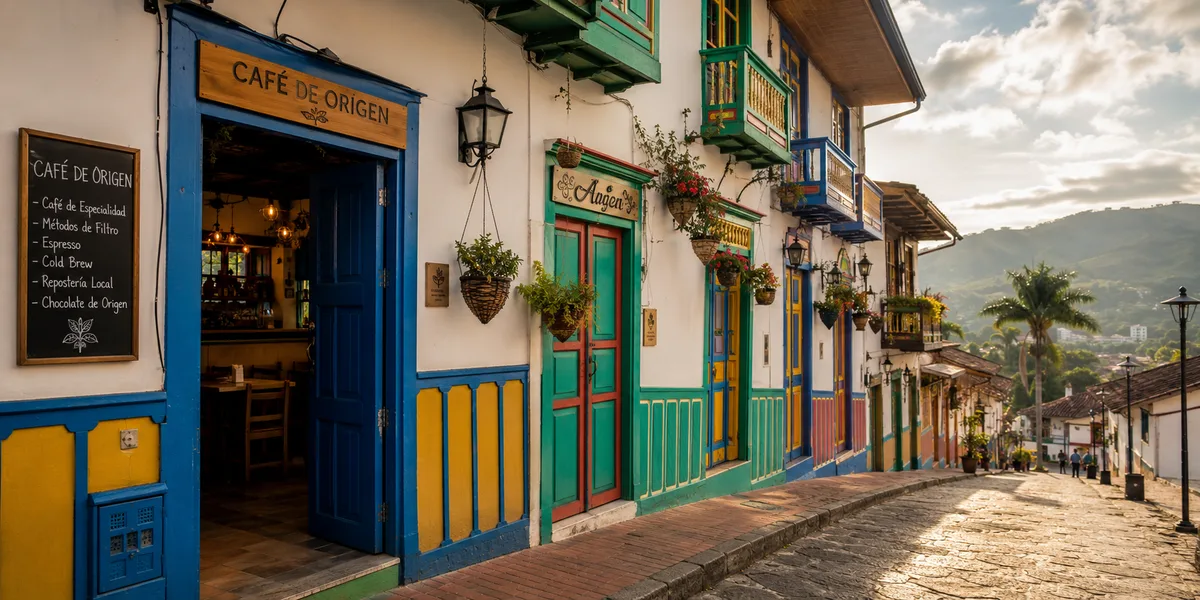
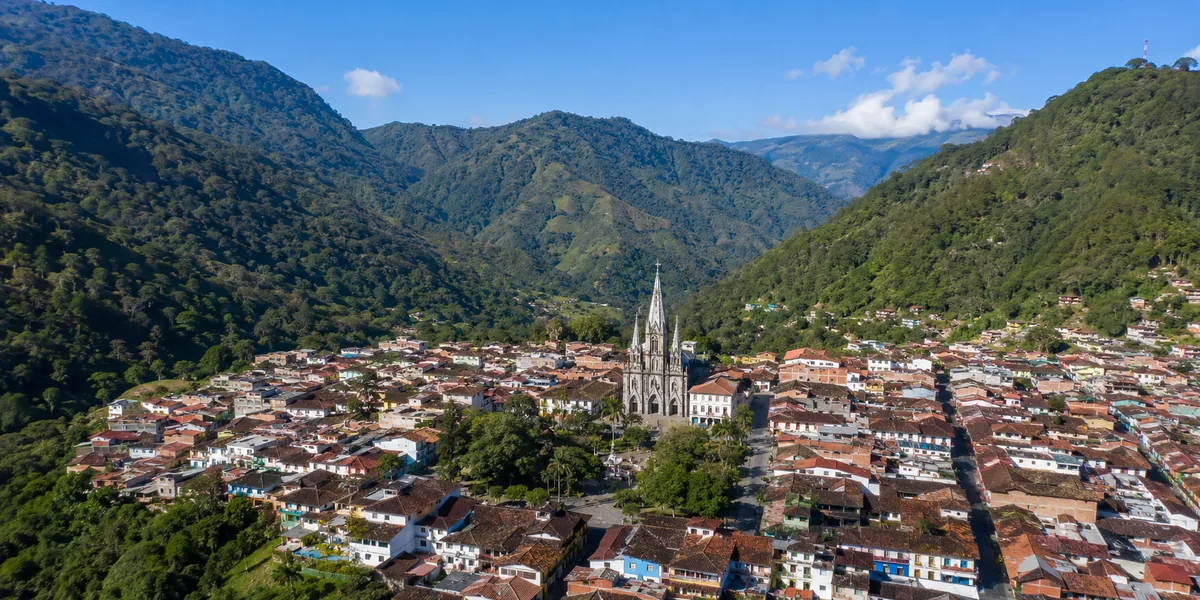
Most coffee farm day trips from Medellín last 4–6 hours including round-trip transport. The farms are typically 1–1.5 hours outside the city in towns like Fredonia, Jericó, or Jardín. Full-day tours to the Coffee Triangle (Eje Cafetero) take 10–12 hours.
You'll walk through coffee plantations, learn the seed-to-cup process from local farmers, pick ripe coffee cherries (in season), watch beans being processed and roasted, and finish with a cupping session where you taste different varieties and brewing methods. Many tours also include a traditional Colombian meal.
Coffee farms operate year-round, but harvest season (October–January and April–June) lets you see cherry picking in action. The dry seasons (December–March and July–August) offer the most comfortable weather for farm visits.
Not for tours booked through platforms like GetYourGuide. These tours include bilingual guides who speak English and Spanish. If you visit a smaller independent farm directly, some Spanish helps — or bring a Colombian friend.
Wear comfortable closed-toe shoes (trails can be muddy), long pants, and sunscreen. Bring a light rain jacket — mountain weather changes quickly. Farms are at higher elevation than Medellín, so it can feel cooler. Skip the white sneakers.
Browse all coffee experiences in Medellín